Burkina Faso, located in the heart of West Africa, offers travelers a unique cultural experience distinct from mainstream tourist destinations. This Burkina Faso travel guide provides essential information for anyone planning a visit.
Getting to Know Burkina Faso
Burkina Faso is a landlocked country in West Africa, bordered by Mali to the north, Niger to the east, Benin to the southeast, Togo and Ghana to the south, and Ivory Coast to the southwest. The capital city is Ouagadougou, which serves as the main entry point for most international travelers.
The country has a population of approximately 22 million people and is known for its diverse ethnic groups, vibrant music scene, and rich artistic traditions. French is the official language, though local languages such as Mossi, Fula, and Dyula are widely spoken.
The climate varies from tropical in the south to semi-arid in the north, with a rainy season from June to October and a dry season from November to May. The best time to visit Burkina Faso is during the dry season when temperatures are warm but humidity is lower, and roads are more accessible.
Entry Requirements and the eVisa
Before your trip, you need to arrange your travel documents. Most visitors will need to obtain an eVisa or traditional visa before arriving in Burkina Faso. Understanding the entry requirements is an essential part of any Burkina Faso travel guide.
Visa Requirements:
Foreign nationals from most countries must hold a valid visa to enter Burkina Faso. The eVisa system allows applicants to complete the process online without visiting an embassy. Tourist visas are available for stays of 30 or 90 days.
Yellow Fever Certificate:
A valid yellow fever vaccination certificate is mandatory for all travelers entering Burkina Faso, regardless of the Burkina Faso travel purpose. This requirement is strictly enforced at all entry points.
Passport Validity:
Your passport must be valid for at least six months from your date of entry into Burkina Faso. Ensure your passport has at least two blank pages available for immigration stamps.
How to Get to Burkina Faso
Understanding the travel routes to Burkina Faso helps when planning your Burkina Faso travel arrangements.
By Air:
Ouagadougou Thomas Sankara International Airport (code: OUA) is the main international airport and the primary gateway for air travelers. The airport receives flights from several major airlines operating in the region, including Air Burkina, Air France, Ethiopian Airlines, Turkish Airlines, and regional carriers.
Common transit connections include:
- Paris (Air France)
- Casablanca (Royal Air Maroc)
- Addis Ababa (Ethiopian Airlines)
- Istanbul (Turkish Airlines)
- Abidjan, Accra, Dakar, and Lome (regional connections)
By Land:
Overland entry is possible from all six neighboring countries. Major border crossings include:
- Niangoloko (Ivory Coast border) to the south
- Dakola (Ghana border) to the south
- Porga (Benin border) to the east
- Koloko (Mali border) to the west
- Various points along the Niger border to the northeast
Road conditions vary significantly, with major highways generally in reasonable condition while rural roads can become challenging during the rainy season.
Where to Stay in Burkina Faso
Accommodation options in Burkina Faso range from international-standard hotels in Ouagadougou to guesthouses and camping opportunities in rural areas.
Ouagadougou:
The capital offers the widest selection of hotels, from international chains to budget-friendly guesthouses. Popular options include mid-range hotels near the city center with air conditioning and reliable internet. Budget travelers can find guesthouses in neighborhoods near the main market area.
Bobo-Dioulasso:
Burkina Faso’s second-largest city has comfortable hotels and a charming colonial quarter. This city is often recommended in any Burkina Faso travel guide as a must-visit destination for its relaxed atmosphere, music scene, and accessible attractions.
Smaller Towns and Rural Areas:
Outside the two main cities, accommodation becomes more basic. Village camps and small guesthouses are available near major tourist sites. Camping is sometimes possible with the permission of local tour operators.
Booking Tips:
It is advisable to book accommodation in advance during the dry season (November to February), when tourist numbers increase. Many smaller guesthouses require phone reservations as they may not be listed on international booking platforms.
Top Attractions and Places to Visit
A comprehensive Burkina Faso travel guide should highlight the country’s remarkable cultural and natural attractions.
Ouagadougou:
The capital city offers the National Museum, the Moro-Naba Palace, and the Central Market (one of the largest in West Africa). The city is also famous for its arts and crafts village (Village Artisanal de Ouagadougou), where local artisans sell handcrafted jewelry, textiles, masks, and sculptures.
Bobo-Dioulasso:
Known for its French colonial architecture, the old mosque (built in the Sudanese architectural style), and the famous Maquis music venues where traditional West African music is performed live.
Banfora and the Lobi Country:
The town of Banfora serves as the gateway to some of Burkina Faso’s most beautiful natural sites, including:
- Karfiguela Waterfalls – a series of falls surrounded by lush vegetation
- Domes de Fabedougou – striking rock formations shaped over millennia
- Lake Tengrela – home to hipos that can be observed by boat
- Sindou Peaks – dramatic sandstone pillars rising from the landscape
Arli National Park and W National Park:
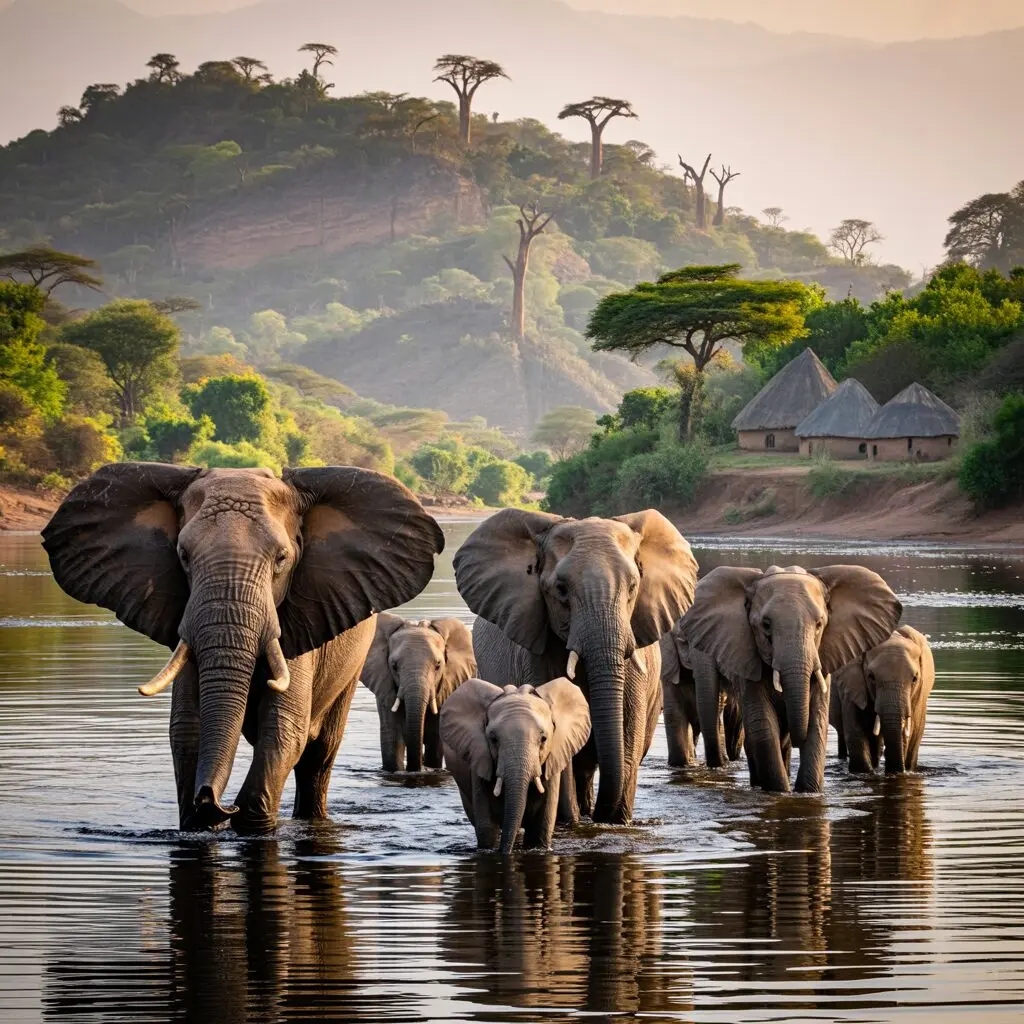
These wildlife reserves in eastern Burkina Faso offer safari experiences with elephants, hippos, crocodiles, antelopes, and a wide variety of bird species. W National Park is a UNESCO World Heritage Site shared with Niger and Benin.
Tiebele:
The Kassena village of Tiebele, near the Ghanaian border, is renowned for its traditional painted houses. The elaborately decorated homes feature geometric patterns and symbols that tell stories from the community’s history and spiritual beliefs. Tiebele is frequently highlighted in Burkina Faso travel guide publications for its extraordinary visual appeal.
Safety and Security
Current safety conditions are an important consideration in any Burkina Faso travel guide. The security situation in parts of Burkina Faso, particularly in the Sahel region in the north and parts of the east, has been affected by regional instability and armed conflict.
Travel Advisories:
Many governments, including the US Department of State and the UK Foreign Office, have issued advisories warning against travel to certain regions of Burkina Faso. Check the latest advisory for your country before planning your trip.
Safer Regions:
The southern and central regions, including Ouagadougou, Bobo-Dioulasso, and the Banfora area, generally have better security conditions, though travelers should remain vigilant and follow current guidance.
Practical Security Tips:
- Register with your country’s embassy upon arrival
- Avoid traveling after dark in rural areas
- Keep copies of your passport and eVisa in a separate location
- Monitor local news and security updates
- Use reputable local guides and tour operators
- Avoid large gatherings and demonstrations
Travel Insurance:
Comprehensive travel insurance covering medical evacuation, security-related incidents, and trip cancellation is strongly recommended. Some insurance policies may have exclusions for regions with active travel advisories, so verify coverage before purchasing.
Health and Medical Preparation
Proper medical preparation is a critical section of any Burkina Faso travel guide.
Required Vaccinations:
- Yellow fever – mandatory (certificate required for entry)
- Hepatitis A and B – strongly recommended
- Typhoid – recommended
- Meningococcal meningitis – recommended (required during dry season)
- Rabies – recommended for extended stays or rural travel
Malaria Prevention:
Burkina Faso is in a high-risk malaria zone. Travelers should take antimalarial medication as prescribed by their doctor before departure. Use insect repellent, sleep under mosquito nets, and wear long sleeves during evening hours.
Medical Facilities:
Medical infrastructure in Burkina Faso is limited outside Ouagadougou. The capital has several private clinics and hospitals with reasonable standards. For serious medical emergencies, evacuation to a neighboring country with better facilities (such as Ghana, Ivory Coast, or Senegal) may be necessary.
Water and Food Safety:
Drink only bottled or purified water. Avoid ice in drinks unless you are certain it was made from treated water. Be cautious with street food, and eat only freshly prepared dishes from reputable establishments.
Currency and Money
Understanding the local currency is useful information for any Burkina Faso travel guide.
Currency:
The West African CFA franc (XOF) is the official currency, shared among eight West African countries in the West African Economic and Monetary Union. The CFA franc is pegged to the euro at a fixed rate of approximately 655.957 XOF per euro.
ATMs and Banking:
ATMs are available in Ouagadougou and Bobo-Dioulasso, primarily dispensing CFA francs. International Visa cards are more commonly accepted than MasterCard at ATMs. Banks operate Monday to Friday, typically from 8:00 AM to 4:00 PM.
Cash vs. Cards:
Outside of major cities and international hotels, cash is the primary payment method. Carry sufficient CFA francs when traveling to smaller towns and rural areas. Exchange offices in Ouagadougou generally offer better rates than airport exchanges.
Getting Around Burkina Faso
Transportation options are a practical part of any Burkina Faso travel guide.
Domestic Flights:
Domestic flights between Ouagadougou and Bobo-Dioulasso are available but not frequent. Air Burkina operates this route, though schedules can change.
Buses and Shared Taxis:
Inter-city buses connect major towns. Companies such as Rakieta, STAF, and TCV provide relatively comfortable long-distance services. Shared taxis (called “taxis brousse” or bush taxis) are available for shorter distances and more remote destinations.
Car Rental:
Rental cars are available in Ouagadougou with or without a driver. Hiring a car with a local driver is recommended due to road conditions, local driving practices, and navigation challenges. An International Driving Permit is required alongside your home country license.
Motorcycles and Taxis:
Within cities, motorcycle taxis (known as “zems”) are the most common form of transport. They are affordable and convenient but carry safety risks. Negotiate the fare before embarking. Occasional conventional taxis are available in Ouagadougou.
Food and Drink
A Burkina Faso travel guide would be incomplete without mentioning the local cuisine.
Traditional Dishes:
- Tô (toh): A thick grain porridge made from millet, sorghum, or maize – the national dish
- Riz gras: Rice cooked in a rich tomato-based sauce with vegetables and sometimes meat
- Poulet braisé: Grilled chicken marinated with local spices, a popular dish across the country
- Fried plantains: Served as a side dish or snack
- Capitaine (Nile perch): Often grilled or prepared in sauce, especially in regions near rivers
Beverages:
- Dolo: Traditional millet beer, served fresh at local bars
- Jus de gingembre: Fresh ginger juice, a refreshing non-alcoholic option
- Bissap: Hibiscus flower drink, served cold – sweet and tangy
- Local beer brands such as Brakina and So.B.Bra are widely available
Restaurants:
In Ouagadougou and Bobo-Dioulasso, restaurants serving a mix of Burkinabe, West African, and international cuisines are readily available. Street food is abundant and generally safe at busy stalls with high turnover.
Frequently Asked Questions
Last updated: July 2026. Travel conditions and safety situations can change rapidly. Always verify current conditions and advisories before planning your trip to Burkina Faso.